Thursday, 16 May 2013

Yunoshimakan stay in February 2013, by Eileen from Singapore

We journeyed from our 1st ryokan at Hagi Takayama (see separate review) to Gero Onsen on February 20, 2013. It's a comfortable 46mins ride from Takayama to Gero on the Ltd Exp Wide View Hida.

Once again, we used Japanese Guest Houses for our reservations and they did a wonderful job of providing us with the needed information to help us in our journey. The service is in English and that’s a real help for people like us who hardly speak or read Japanese.

Hot Spring bath at Yunoshimakan

The full top rating is based on the type of room we had + food and service. The ryokan has many other type of rooms so we cant speak for those which we didnt stay in.

Our stay was for 3 nights starting on 20 Feb 2013. We were celebrating our 30th anniversary and Japanese Guest Houses reserved a KEISANZOU room in the Chuang Kageyama new bldg. It came with our own onsen bath tub which is piped in with 100% onsen water. Lovely!

This is so convenient esp in the morning when we don’t feel like walking the distance to the public baths and want our own private soak.

Being winter, we paid around Y36,966 (including all taxes) per night for this type of room. I believe the cost is higher in the peak seasons.

The shuttle picked us up around 1.30pm at the Gero station (tiny station which probably gets jam packed during peak season).
Dinner at Yunoshimakan

When we arrived at the ryokan, we needed to remove our footwear which they kept for the rest of the stay.

Everything was super efficient for our check in (which is pretty normal from all our frequent travels in japan) and off we went to our room on the 9th floor, with a staff showing and explaining as we went along. Ladies get to choose their yukatas whilst men wear those provided in the rooms.

Yunoshimakan has quite a bit of history surrounding it and they have pictures of the Imperial family on their walls, famous guests, plenty of artifacts. Practically like a little museum on certain floors. Although it has an “old” feel about it in some areas, we appreciated the history and background behind it.

A very interesting maze of corridors and one can get lost at times. To encourage others to explore the grounds, they have this piece of paper where you get to rubber stamp each place that you have found on the chart. If you collect all your stamps, it entitles you to 10% off beverages at the coffee house and 2 other little perks. Good and innovative idea to encourage guests to explore the place.

The place is pretty huge and its quite a walk from the lobby to our wing. But that was part of the fun as we were able to view quite a bit of artifacts along the way.
Guest room at Yunoshimakan

The public onsens on the 2nd floor are really very nice esp the outdoor ones. Even the indoor ones are rather large. Opened from 1pm – 10am (interchanged for ladies & men). Each has an indoor + an outdoor attached to it. Toiletries are in the dressing room are not as extensive as some ryokans – They do have a set of face & milk lotion but don’t expect a large array of creams and lotions and gels.

There are about 4 free small enclosed family baths on the 4th floor which is first come first served. We managed to view 2 out of the 4. These were rather tiny & more suitable for single guests who want to enjoy the privacy & don’t mind the enclosed space with no views. Each of the dressing rooms attached to these baths are pretty quant – like something out of a british enid blyton novel.

Because this ryokan is much larger, the chill was more pronounced in these corridors esp in the old wing.

I guess its prudent for the hotels to cut down on power consumption during the non busy hours (since problems re nuclear plants cropped up). Also, this nice old ryokan has limitations when it comes to heating up the corridors esp in the old wing.

As guests, may we encourage others to switch off all unnecessary lightings when leaving the room – to help the country conserve their energy usage.

The girl who served us the meals in the room was very sweet and efficient. We opted for meals in our room (choice of between 5.30pm to 7pm). We chose 7pm. The kaiseki dinners were sumptuous.. What a feast – this is true kaiseki and you have to be prepared to be “adventurous”.

We did however, request no raw meat in case they served raw beef or horse meat. The Hida beef for sukiyaki and over the fire just melts in our mouth. Just thinking about it makes me hungry!!

We went for our breakfast at 8.30am in the dining room. Again, good Japanese selection – the typical ryokan dishes with all sorts of condiments and little items.

The ryokan is perched on a hill and is surrounded by nice tall trees, with the mountains afar off. So its not convenient for strolling into town if that’s what you prefer.

Frankly, the gero onsen area in our opinion, looked pretty grey and unattractive with rather ugly looking buildings in some areas. Rather different from Takayama .
From the train between Takayama and Gero Onsen

Most guests go there for the very good quality onsen water. We can understand its popularity as our skins really felt so smooth after each soak.

It’s just about 5 mins plus from Yunoshimakan to the Gero station. Hence we had enough time when we left with the 10am shuttle, to catch our Limited Express at 10:26am back to Nagoya.

The winter scenery on our day of departure from the ryokan was really pretty. Some trees from a distance looked like white cherry blossoms. The ryokan has quite a bit of surrounding greenery with trees – so it was lovely.

We were treated to different winter views from our balcony throughout the 3 night stay. It's so magical esp when it starts to snow.

The train journey back to Nagoya is also very picturesque esp in winter.
Room Tip: If you can afford it, reserve the Keizanso room which has a nice sitting area with a little sofa and...

Tuesday, 5 March 2013

Hagi Takayama stay in February 2013, by Eileen from Singapore

Our stay was from Feb 15 2013. Thanks to Japanese Guest Houses, our reservations at Hagi Takayama were all taken care of. They arranged our shuttle pick up at 3.05pm (pick up is just outside the Washington Hotel, across the road on the right side, from the Takayama Station). Its about a 15min ride.
Hagi Takayama, by Eileen L. from Singapore
The ryokan has lovely views of the landscape because its located higher up on a hill. We were treated to beautiful snowy scenes from the large windows around the ryokan, as well as from our 10 tatami mat room balcony on the 3rd floor. The whole place is very clean and cozy.
View from Hagi Takayama
We would like to say a special thank you to Mr. Hiroshi Kawabe for his attentive & helpful service throughout our 5 night stay.

MEALS
Good kaiseki dinners with portions that were just nice for both of us. Tender slices of Hida beef.
Our meals were in the restaurant where great and friendly staff attended to the guests. When we were there during the winter, the latest dinner time was at 7pm. The cuisine was a good selection with very fresh ingredients and they changed the dishes every night for us, which was great.
Dinner at the Hagi Takayama

Breakfast is between 7am-8.30am (that means it ends at 8.30am altho one can sit around for a while till about 8.45am). We are not used to having breakfast so early, but on hindsight it was good to have a much longer day ahead of us if we ate at 7.50am.. Again, very thoughtful of them to change the main dishes during our stay eg it was nice to have 2fried eggs with ham on our 3rd morning.

Breakfast is semi buffet – each of us had our own personal tray of special items and we could also help ourselves to the free flow of beverages, croquettes, salad, porridge etc at the side table.

ONSEN
1. They have a public INDOOR onsen with lovely views on the 4th floor (6am – 9.30am is for men, 3pm – midnight is for ladies). Interesting wall designs in the wash area.

On the same 4th floor is a private onsen bath where reservation and charge is needed. Morning 6am-9.45am are for the men and afternoon 4pm – 11.45pm are for the ladies. We didn’t try it so no comments.

There are another 2 public indoor & attached outdoor onsens near the annex – a short walkway from the ground floor (or a quick dash in the freezing cold). Each bath is interchanged between men and ladies daily. Morning times are 6am-9.30am & 3pm-midnight. We really enjoyed the outdoor rock pool esp with the snowy view.

The dressing rooms in the onsens have a very good selection of toiletries.

SIGHTS:
As it was snowing and pretty cold most of the days (around -5 degrees C to 10 degrees C) we were more than contented to stay in, relax, catch up on all our reading, soak in the onsen early, just enjoying the accommodation. The views from the large window panes were lovely.

Hida Folk Museum
We did visit the Night illumination of the Hida Folk Museum – blessed with nice clear sky that night – it was an enjoyable outing. The ryokan has its own shuttle that took us there at 7.30pm and fetched us back at 8.20pm.

Pros: High on a hill with lovely views from their large windows. Everything was great for us and we will definitely return again.

Lovely snowy landscapes in winter but a little too cold for strolling. So it depends what you are looking for. This season is great for us because we just want to rest and relax and get away from the noise and hustle bustle back home.
Hida Folk Museum

Cons: Its too far to walk down to the little streets. So you will have to depend on the morning shuttle to get down to the little city for your strolls (last shuttle 10am). The afternoon shuttle starts at 3.05pm. In between, you will need to take a taxi.

TIPS: If you are planning on taking a train to Takayama – take note if travelling on a weekend. We came directly from the International airport in Nagoya to Nagoya station on a Friday morning (Feb 15).

Our SIA flight from Singapore landed at 8.30am. We cleared customs and immigration quickly and caught the Sky Express train at 9:07am to Nagoya station.

We reached the Nagoya Train Reservation Ticketing counter at 10.05am and managed to catch the 10:47am Limited Express Wide Hida View to Takayama.

If we had not caught the 10:47am train, we would have had a very very long wait for the 4th train, arriving at Takayama very very late. That’s because the next 3 trains after ours were fully booked.

We arrived Takayama at 1:10pm. The scenery (later half) from the train windows during the journey are pretty scenic. We had lunch at a quaint soba/ramen shop opp the street (get a map from the Tourist Information office just outside the Takayama station).

On our return journey from Nagoya station to the airport – Our flights was 10.30am and we caught the 7:20am Sky Express.

Its really worth paying a little more for the Sky Express train. We noticed that the other trains and platforms were pretty packed by 7.15am.

By Eileen Lee

Monday, 28 January 2013

Aurelie and Alex C. in Japan

Aurelie made this video gathering all kind of things that might surprise foreigners in Japan.

This is the first episode relating their trip during Japanese Autumn, in Osaka.


In the second episode they stayed at the Yunoshimakan in Gero Onsen and at the Fujioto in Tsumago.

Looking forward to see the second part...

Thursday, 25 October 2012

Discount for transport in Japan

One of the best transportation deals available to travelers to Japan is the JR Rail Pass which gives you unlimited train rides on almost all JR Trains including the Shinkansen Bullet Trains. This one pass can save you hundreds of dollars and pays for itself with just a round trip between Tokyo and Kyoto. This pass is only available outside Japan so you will need to purchase it before you arrive. For more information please see http://www.japanrailpass.net/ and when you are ready to purchase your JR Rail Pass please visit ACP Rail.

Many airlines are also offering discounts,


For not resident in Japan;
JAL and ANA offer several passes that have to be purchased in your country. For more information please see below:
The "One World Yokoso-Welcome to Japan Fare"
http://www.jal.co.jp/yokosojapan/

The "Star Alliance Japan Air pass"
http://www.ana.co.jp/wws/us/e/wws_common/fare/special/airpass.html


Finally but not last; the Low-coast Airlines offer very attractive prices. Here are the most popular low-cost airlines in Japan:

Peach Aviation
http://www.flypeach.com/home.aspx

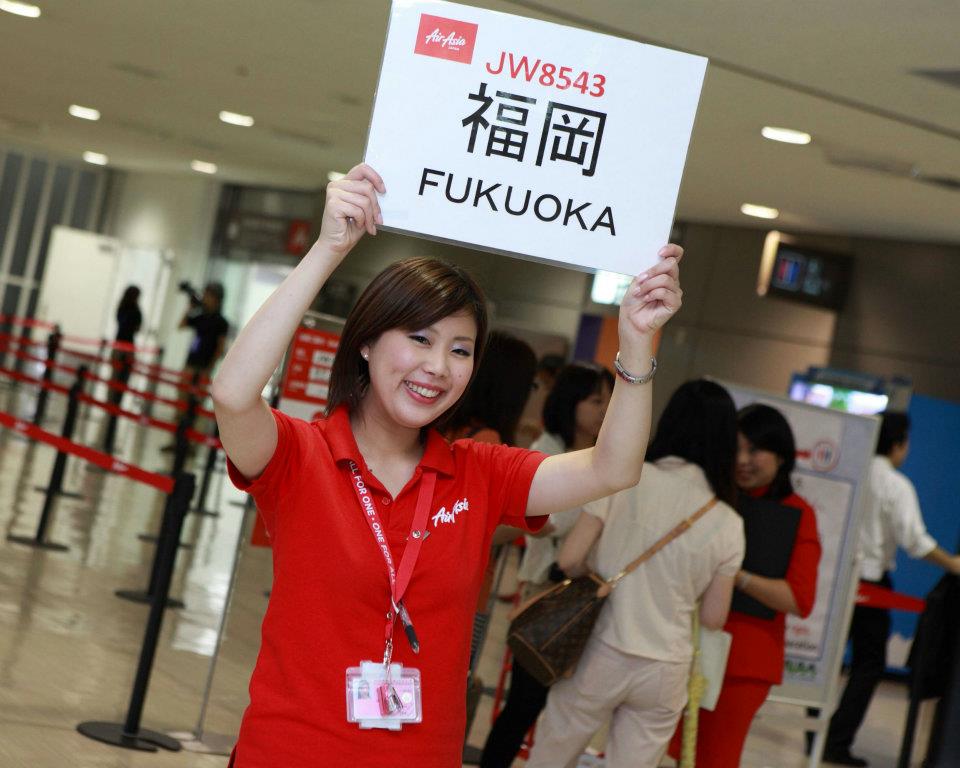
Air Asia Japan
http://www.airasia.com/jp/en/home.page

Jetstar Japan
http://www.jetstar.com/jp/en/home

Wednesday, 26 September 2012

Sapporo Snow Festival

After a long and hot summer, let's think about a nice plan for this winter. The Sapporo Snow Festival (Sapporo Yuki Matsuri) is the most popular winter festival in Japan. Every year about 2 millions visitors join this event. Hundreds snow statues are built every year in February. In 2013, the festival will be held from February 5 through February 11.
Snow Festival in Sapporo
Hotels will quickly become fully booked, so you better arrange your itinerary soon. At Japanese Guest Houses, we will do our best to find an accommodation for you: http://www.japaneseguesthouses.com/db/sapporo/index.htm
The festival is main organized in the Odori park This is where you will find the most popular snow sculptures. While some statues are human size; other ones are huge !
Light up in Sapporo
The Susukino Site, in this "bubbling neighborhood" (especially at night), ice statues are exhibited. We recommend you to visit it at night; there is a light up until midnight, every day.

Finally the Tsu Dome Site; this one entertains families. There are several snow slides around the dome. Inside the dome; like in every Japanese festival you will find numerous food stands. The Tsu Dome Site opens daily from 9:00 to 17:00.
Interesting numbers;
  • Number of Snow or Ice Sculptures in 2012: 228
  • The amount of snow transported for the festival is around 32,500 tons
  • 2.416.000 visitors for the 62nd Snow Festival (2011).
Snow slides in Sapporo

Tuesday, 4 September 2012

Kodaiji temple in Kyoto,

The Kaisan-do hall view from the main hall at Kodaiji temple
Kodaiji, one of the greatest temple in Kyoto. It's located up on the hill above the Gion district. It's very quiet and always get some wind that you really enjoy during hot summer days! It was established in 1605 by the noblewoman "Nene" (Kita-no-Mandokoro) in memory of her husband Toyotomi Hideyoshi (1536-1598).
Kodaiji gives a very good representation of Japanese architecture and Zen Buddhism with exquisite craftsmanship and Japanese gardens.

Zen garden at Kodaiji
The garden was redesigned by the well known architect Kobori Ensyu (1579-1647). The garden is particularly famous for its stone layout. It is said that the in the south section a group of stones represents a crane and in the north section, in the pond an island has the shape of a turtle; however I guess this depends on everyone’s imagination. Personally I couldn't see the crane or the turtle !

The Iho-an tea ceremony house
 The Iho-an is a tea ceremony room. This house and the Onigawara-seki (two other tea houses located on the top of the hill) are good examples of the design of the Kodaiji.

Bamboo grove at Kodaiji
Down from the hill, visitors pass throw a bamboo grove, another typical element of Japanese gardens.

Looking for a good place to stay near the Kodaiji:
Ryokan Motonago: www.JapaneseGuestHouses.com/db/kyoto/motonago.htm
Tamahan: www.JapaneseGuestHouses.com/db/kyoto/tamahan.htm
Rikiya: www.JapaneseGuestHouses.com/db/kyoto/rikiya.htm

Monday, 6 August 2012

Hot Spring in Takedao Onsen

Looking for a hot spring in Kansai, near Osaka?
Arima Onsen is the most popular hot spring in the area, however it is not convenient to access and it can be really crowded. How about Takedao Onsen?
Outdoor bath at Takedao Onsen
The Koyokan Bettei Azale offers premium quality hot spring baths. This is a off the beaten tracks spot; most Japanese people living in Osaka don’t even know about it. Takedao Onsen is located 40 minutes away from Osaka, on the Western side of the agglomeration.
From Osaka station you will have to take the Fukuchiyama line. If you take an express train don’t forget to change to a local train in Nishinomiyanajio (express trains do not stop at the Takedao Onsen station).
Indoor bath at Takedao Onsen
Takedao Onsen is hidden between Takarazuka and Sanda, in the Muko valley. This valley is so small that the train station was built inside a tunnel. Once you will get off the train, you will find yourself surrounded by nature. You will also notice that it’s a very quiet place; the only sound is coming from the river.From the exit of the train station, go on your right and walk 5 minutes. You will have to cross a dark tunnel, luckily it is only 50 meters long (about 160 ft); and on the right you will find the entrance of the Koyokan Bettei Azale.

The Koyokan Bettei Azale is a luxurious ryokan (Japanese Traditional Inn), renovated 3 years ago. It offers all the modern comfort, though it didn’t lose its Japanese charms. The Ryokan has 12 Japanese combined Western Hanare (Private Guest Residence) with private bathroom and views of the river or mountains.
Takedao Onsen
As a Hot Spring Ryokan, what I really appreciate about the Koyokan Bettei Azale is its baths. The baths are clean, quiet (few people know about this place) and though you go there on Saturdays you might be the only person using the baths. I went there last Saturday and I could enjoy the baths all for myself. It was great!!

I first took a quick shower beside the indoor bath. Then I could relax in the outdoor bath, listen to birds…what a relief when you come from the city center of Osaka.
For information the water temperature was 39 C degrees (Around 100 F), which is quiet mild.

After the bath I would suggest you to have a drink on the terrace, and just enjoy your time.

Thursday, 7 June 2012

Kurashiki

Before or after Naoshima, “The Modern Art Island”, let’s step back in time and experience old Japan in Kurashiki !

Kurashiki is located in Okayama Prefecture, on the coast of the Seto Inland Sea. The town was an important river port. As a result, a number of elegant warehouse-style buildings were built to store rice, which was a valuable commodity during the Edo Period (1600-1868). Most of those typical warehouses have been preserved in the “Bikan district”. A walk along the quiet willow-lined canal will give a good image of traditional Japanese architecture. Often there are artists sitting by the canal making and selling trinkets.
The "Bikan district" in Kurashiki
Getting to the Bikan District is not hard just follow the signs from Kurashiki station. It takes about 10 minutes on foot from the JR Kurashiki station to the “Bikan district”. For a true Japanese experience, the Tsurugata Ryokan will welcome you; located in the heart of the "Bikan district" this traditional ryokan will serve you traditional Kaiseki dinner and breakfast (From 18,900 yen per guest per night).
The Ohara museum in Kurashiki
Magosaburo Ohara was a textile tycoon (1880 – 1943). Ohara financed trips to Europe for his friend, painter Kojima Torajiro, to study art.  Torajiro brought back artwork of El Greco, Gauguin, Monet, Matisse, and others. These pieces composed the museum’s initial collection when it opened in 1930. Later on, the museum also added artwork from Japanese and Chinese artists to its collection.

The Kurabo Museum
The Ivy Square was originally the first spinning mill in the region and the layout was based on mills in Manchester, England. Now the Ivy Square sometimes has live concerts or beer gardens.

Often called "The small Kyoto", Kurashiki is a beautiful town, very quiet and with a fantastic atmosphere; so if you are looking for a traditional stay or a romantic visit, Kurashiki is a great place to go.

Sunday, 13 May 2012

Naoshima

Looking for a unique spot ?
Naoshima Island is waiting for you. Naoshima is a small island in the Seto Inland Sea. From Osaka, it takes about 4 hours by express train (no reservations needed); or less than 2 hours by Shinkansen (bullet train).
The first thing I would like to say is that even during the Golden Week, Naoshima is a peaceful and quiet island. Naoshima is off the beaten path, and I really enjoyed it.
"Pumpkin" A work of art by Yayoi Kusama
Naoshima became popular when the Benesse House and Chichu Museum were constructed. Now the island is considered a must see for art lovers. Anywhere you go on this island, you will find interesting, curious, funny or strange pieces of modern art.
The Benesse House Museum
This was designed by Tadao Ando and is a combination of 3 hotels (Oval, Park and Beach) and a museum. Each hotel has a unique feeling and style. Just exploring these hotels will make your trip worthwhile. Guests at Benesse House are allowed to view the museum until 22:00 PM. I didn't stay there, but I sincerely think that it's a great experience; a night in a museum !

On Naoshima, most buildings are hidden, here it's The Benesse House Museum. In addtion to artistic exhibitions, Naoshima focuses on environmental activities.

The Chichu Museum

Though I am usually not a big fan of Modern Art, I would recommend the visit. Actually Naoshima is a beautiful island, very clean and if you’re lucky to have a nice weather, for sure you will enjoy your day.

By Vincent Penez

Friday, 27 April 2012

2 days in Tokyo,


I just spent my last weekend in Tokyo, let me share my opinion about some of the Tokyo’s landmarks. Living in Osaka for more than 3 years, I reached the Japanese capital by Shinkansen (bullet train) in less than 3 hours.

Tokyo Sky Tree
A Shinkansen ride is not cheap (About 14,000 yen for a single way) but trains bound for Tokyo leave Shin-Osaka station every 7 minutes!! It’s really the most convenient way to go there. The ride is very comfortable, even the economic seats are wide.
I didn’t expect it, but Japanese people enjoy the Shinkansen in many different ways. Salarymans were drinking beers and sake, maybe celebrating the end of a busy week.

Some other businessmen (less lucky) were still working with their computers. Other people like me, were listen to music, reading… in a very friendly atmosphere. I thought Japanese would have a very formal behavior like most of the time. But I was happily surprised to see all those people enjoying their time on the way to Tokyo.
Once I arrived in Tokyo, I went to Asakusa. It’s the most famous temple in Tokyo. People usually pray and guide the smoke that is at the entrance of the temple on the part of the body they want to heal. This temple is a must in Tokyo, though I was actually more interested about another landmark, located near Asakusa; The Tokyo Sky Tree. This is a 634 meters tall (about 2,080 feet) antenna developed for Digital Terrestrial Broadcasting.The Tokyo Sky Tree will open on May 22nd.

Sushi in Tsukiji Market
Later I visited is the Tsukiji Fish Market. The biggest fish market in the world. As I am now use to the Japanese society where everything is clean and in order, I thought “What a crazy place!!” In the professional side of the market I felt a little awkward. People are running everywhere, in very narrow streets; with fishes all around…I guess this is the real attraction of the Tsukiji.
The other part of the market, people are looking for the finest sushi or sashimi restaurants. The one I could find were excellent!

Vincent Penez

Tuesday, 24 January 2012

Snow Monkeys in Jigokudani,

You might think that hot springs are reserved for humans; but if you visit the Jigokudani Park you will probably be sharing your bath with Japanese Snow Monkeys.

The Jigokudani is located in the Japanese Alps, outside of Nagano. Jigokudani (meaning “hell’s valley”) took its name from the steam and boiling water of the hot spring. Because it is located in the mountains, about 850 meters (2,800 feet) the heavy snowfalls cover the area for at least 4 months a year.

During the cold winter, the hot spring of the Jigokudani is a real Eden for the monkeys living in the valley. Hot baths are a necessity for the monkeys to keep themselves warm; but it is also interesting to see that their behavior is very similar to human.

The Jigokudani Monkey Park is open all year long, however the best season to go would be winter. When the valley is all white and monkeys are all playing around the hot spring bath.

How to go there ?

From the JR Nagano station; take the Nagano Dentetsu Rail Line bound for Yudanaka train station. From Yudanaka train station, take a bus to Kanbayashi Onsen bus stop. Then you must walk 2 kms (30-40 minutes) to the ryokan. It gets dark quickly and there are no lights along the road leading to the ryokan, so its better to arrive early. Also, a backpack would be more convenient that a large suitcase.
It is a good idea to leave most of your luggage at JR Nagano train station.


Where to stay ?

The Korakukan Jigokudani; is a rustic mountain minshuku; it is the only ryokan (only 100 meters) in the Jigokudani Yaen National Park. Korakukan Jigokudani has 12 traditional Japanese-style rooms. There are indoor and outdoor hot spring baths for both women and men at Korakukan Jigokudani (and monkeys frequently visit the outdoor hot spring baths). There are also two "family baths" which can be reserved for private use. From the outdoor hot spring baths at Korakukan Jigokudani, the nearby hot spring geyser can be seen.


For a live camera view of the snow monkeys at Yudanaka Onsen, Jigokudani Yaen Koen please click here: Snow Monkey Live Camera

Wednesday, 16 November 2011

Home Stay In Rural Kyoto

For a true Japanese Experience, Japan Roads would like to suggest a home stay in Kameoka (rural Kyoto). This experience is included in our Rural Discovery Tour. This independant tour will guide you to a off-the-beaten-track part of Japan. The tour gives the opportunity to stay with a Japanese family in a traditional house. With the Rural Discovery Tour you will bring you to amazing landmarks in Kyoto, the Himeji castle.... but the main attraction of this tour is the home stay in Kameoka.

This rural home-stay will give you stories that you will remember long after your photos have faded. While talking with your hosts you will learn how Japanese live, and experience something beyond traditional sightseeing.

Fukiko will provide you a variety of experiences that only her can give. She will cook traditional Japanese dishes for you; using fresh ingredients from her organic garden. If you like; she can dress you in one of her beautiful kimonos, Fukiko likes Kimonos very much and owns a fantastic collection. You will also have a chance to meet a Maiko (a geisha in training). Fukiko will also tell you the fascinating story of her family and ancestors.

A stay with Fukiko will introduce you the Japanese traditions, the bravery of the Japanese people, the research of excellent... but you will also learn about yourself and how to enjoy life in a traditional Japanese way.

To learn about the 7 rules for happiness in the Japanese style, please see the video,

This video was produced by Susan Macaulay, Creator & Curator of AmazingWomenRock.com (Amazing Women Rock), when she visited Fukiko's guest house in 2008. The original post is here:
She also made these videos about the trip:

We hope the above has piqued your interest in this tour. If you have any questions or wish to sign up for a tour please Contact Us.

Sunday, 16 October 2011

Volunteer for Japan

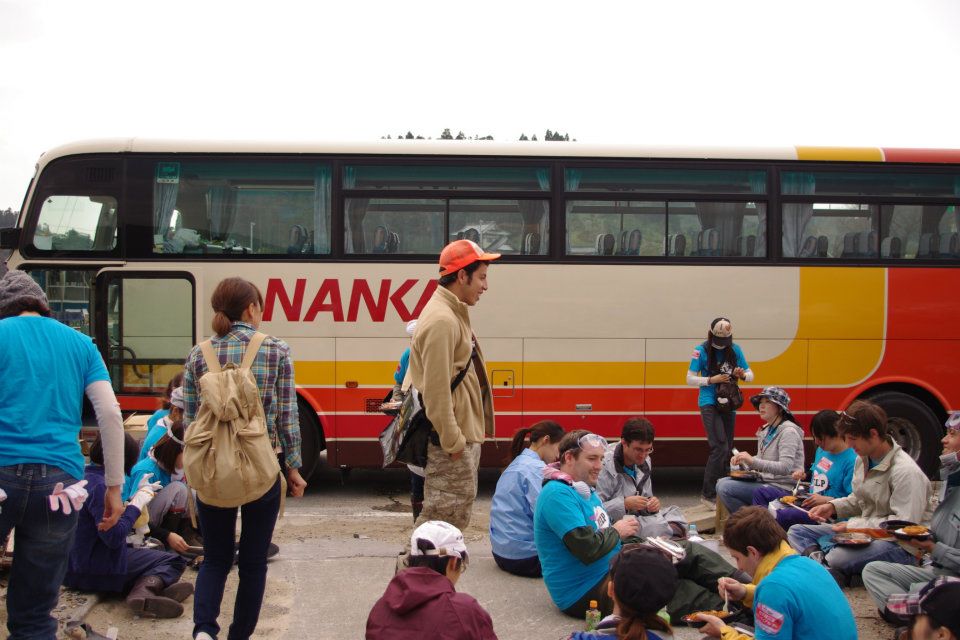
On October 7, 2011, I joined a group of 41 volunteers to with the the clean up and reconstruction of Rikuzentakata-shi in Iwate Prefecture, Japan. This is one of the coastal towns most severely hit by the March 11 tsunami.


Our group

 Yoko Matuura from WhyNot? JAPAN (http://www.whynotjapan.com/) took on the difficult task of organizing the volunteer trip. Thank you, Yoko! The initial plan was to go to Ishinomaki, but when Yoko called Volunteer Center (http://www.ngo-jvc.net/en/touhoku.html) she was told that they only needed volunteers that could drive/operate heavy machinery. Thankfully, she didn’t give up, and managed to find a Volunteer Center with staff who knew of a location where we could be of service.

The morning of October 8th we arrive at Volunteer Center where we changed clothes and got the necessary tools. Before heading out, the Center staff explained the risk and safety procedures to be followed. For many of us, myself included, it was the first time to do such work.

Mr. Sato from the village explained that we would spend 2 days cleaning up a field so that it could be used for farming during the next planting season. Saito is one the survivors and he really was special person, kind person and very friendly. I personally was afraid ask him any question about March 11th and the only thing he told me is kowakatta mada shinjirarenai!, which means “I was scared and still cannot believe what happened”. You could tell by his hard work and dedication that he would not rest until his village was back to the way it was before the tsunami. Please never give up Saito-san we are all with you!!!!


Mr Sato and Sawako


While in Rikuzentakata-shi we met Jamie El-Banna who has been working on the clean up and rebuilding efforts since June 2011. He has been living in a tent in Ishinomaki, where we were originally planning to volunteer. Jamie was very helpful and we cannot thank him enough for all of his hard work, Thank you, Jamie!!

Jamie El-Banna with us

As part of our volunteer service, we were asked to attend a festival at a local shrine that happens once every four years. During the special festival, men climb up a large ladder to battle with a makeshift dragon. It was truly inspiring to see the city coming together in celebration while they are still trying to heal from this year's tragedy.


Rikuzentakata Festival

This trip was wonderfully organized and I hope that I was able to help the people of Rikuzentakata even if it was only a little bit. It's been 6 months since the tsunami and earthquake now, but they could always use more help so please volunteer!

Marco Ferrari
Japanese Guest Houses


***
Japanese Guest Houses
Create Your Own Japanese Experience
Japanese Guest Houses
Japanese Inn Reservation Service
http://JapaneseGuestHouses.com

Japan Roads
Getting You Into the Japanese Culture
http://JapanRoads.com

Rediscover Travel Blog
http://www.JapaneseGuestHouses.blogspot.com

Wednesday, 7 September 2011

Autumn in Japan

Japanese cherry blossoms (Sakura) are a famous national celebration, and crowds from all around the world come every year to enjoy spring in Japan. But there is another natural event that worth the visit; the autumn leaves colors. Leaves turn to yellow, orange, red, purple, ruby, vermilion…giving a mystic atmosphere to some places. The Japanese summer is really hot and humid, and though Japanese enjoy the summer, I have a feeling that they are impatient for autumn to start and finally being able to enjoy the autumn colors and an outdoor activity without getting sunburn.

Today I would like to give some basic advice and recommendations on how to enjoy those autumn colors.

When to go to see the most beautiful autumn colors?

Because Japan stretches from north (Hokkaido) to south (Okinawa) the autumn actually happens at a different time. In Hokkaido the autumn might starts as early as September while in Okinawa there is no specific autumn due to the tropical weather. But in Kyushu the autumn starts only by the end of November.
Though nature is not an exact science, in the central part of Japan, the best time is November.

To know the progression of the autumn leaves, some websites publish very detailed reports:

Japan Guide – Autumn Color Report
http://www.japan-guide.com/e/e2014.html
This website is in English and they update the color of the leaves in the most popular spots.

Yahoo Japan – Autumn Color Report
http://weather.yahoo.co.jp/weather/
This one is in Japanese and seasonal (From September to December) but you don’t need to understand Japanese to actually find the information you are looking for. When the Autumn Report will be available, usually by the end of September, you will see a big red Maple leave, just click on it to see the Autumn Color Report. This is the most detailed report; every single spot in Japan is listed. The Maple leaf symbol beside the location selected will change from green to red; red being the best moment to go.


Where to go?

Kyoto is probably the most popular and crowded spot but still it worth the visit. During the second half of November, places such as Tofukuji, Arashiyama, Kiyomizudera will be surrounded by beautiful autumn foliage.

In Hokkaido, the Daisetesuzan National Park is the first place to have autumn colors every year. The mix of colors, between yellow and red in the middle of mountains or along rivers and lakes offers some particularly nice spots in early October.

The Fuji Five Lakes, with a view on the magnificent Mt Fuji, is one the most popular. In addition it is possible to find some quiet and not crowded places around the Mt Fuji. It is advised to go there in late October to enjoy the autumn colors.

The Tateyama Kurobe Alpen Route; in the Northern Japanese Alps is famous for the great amount of snow fall but also for its beautiful autumn colors. Because of its elevation range the autumn can be enjoyed from late September to early November.

The Miyajima Island is one of the three most scenic places in Japan, so anytime is good to visit this place, but the middle of November would be a great choice. Few autumn colors can be seen around the Miyajima Torii (gate) and the Itsukushima shrine; but in the Momijidani Park laterally “Maple valley” there are plenty.

My special recommendation;
The Mino Park, this park is located only 30 minutes from the Osaka city and is a small valley full of Maple trees. I went there last year, and sincerely it is beautiful. Walking in this forest of Maple trees is something that I enjoyed a lot, and I recommend this place that few foreigners know. Extra surprise, you might see some monkeys walking beside you.

Don’t forget, that every interesting place in Japan can become crowded very quickly, I suggest you to go to the above places as early as you can in the morning or late in the evening. Of course it is also better to avoid weekends. That way you will avoid making lines….and you will have a better light for your pictures.


Which tree to enjoy in autumn?

Of course the Maple tree (Momiji in Japanese) is the most beautiful tree in autumn. Maple trees are native of Japan; nowadays there are other a hundred of varieties. The shape and colors of their leaves can be very different from one another; thin, long, round, red, yellow… Cultivated ones, with the most shining colors can be seen in temples especially in Kyoto or in Japanese gardens.

Another famous tree in Japanese autumn is the Ginkgo (Icho in Japanese). This tree will not turn red but into a bright yellow. This is very common in the cities, along the streets and parks. I agree that the yellow of the Ginkgo is beautiful, but I would add that this tree produce some fruits that really stink, so take a deep breath before you go around one.


What to eat during the Japanese autumn?

Like every season autumn brings specific fruits or vegetables. Japanese have a passion for the Matsutake, this mushroom popular for its smell and flavor can be compare to the Truffle in Europe. If they are as good as expensive they must be delicious!

Chestnut (Kuri in Japanese) is a typical product to eat in autumn. Japanese chefs can cook almost anything based on Chestnut; soup, sauces, cakes, ice cream… Some Japanese farms will suggest you to pick up Chestnuts by yourself. Fruits always have a better taste if you can select them on your own directly on the tree!

Now if you go to Mino Park, you will have to try the Momiji Tempura (Fried Maple leaves). It is probably not the most tasty Japanese dish, but it’s interesting to know that we actually eat the leaves of a Maple tree.


Personally, I am so impatient to see the autumn coming.

Wednesday, 24 August 2011

Attractions are everywhere in Japan,

Following our last post, I would like to give you more examples of interesting things that you can find anywhere in Japan. All you have to do, is to pay attention around you while you are in Japan.

For some Japanese to play with costumes is a real life style, here is a very cute butterfly. To see some "cosplay" in Osaka, the best place is in Americamura, near Namba.
For some costume, they really make huge efforts and probably take hours to be ready. At least they bring some colors and smile,...

If you are in Japan now, you know that it is really hot. Good news, Japanese have many great ideas ! The bar on the above picture, will welcome you with a temperature of -2 degrees Celsius (about 28 degrees Fahrenheit) ! This bar, in Shinsaibashi (Osaka) opened in June and will keep its business until September. The only problem, is that you would have to wait for about 1 hour outside, because it's so popular.

Friday, 12 August 2011

Sightseeing with your eyes open

While you are in Japan, of course you will have to visit popular landmarks such as Mt Fuji, temples in Kyoto, Miyajima… Those places are a must; but your travel is not restricted to the touristic spots, there are plenty of surprising things in Japan, everywhere, you just need to look around you.

The staff of Rediscover Japan lives around Osaka, so we would like to show you some examples of interesting things that we found near Osaka.

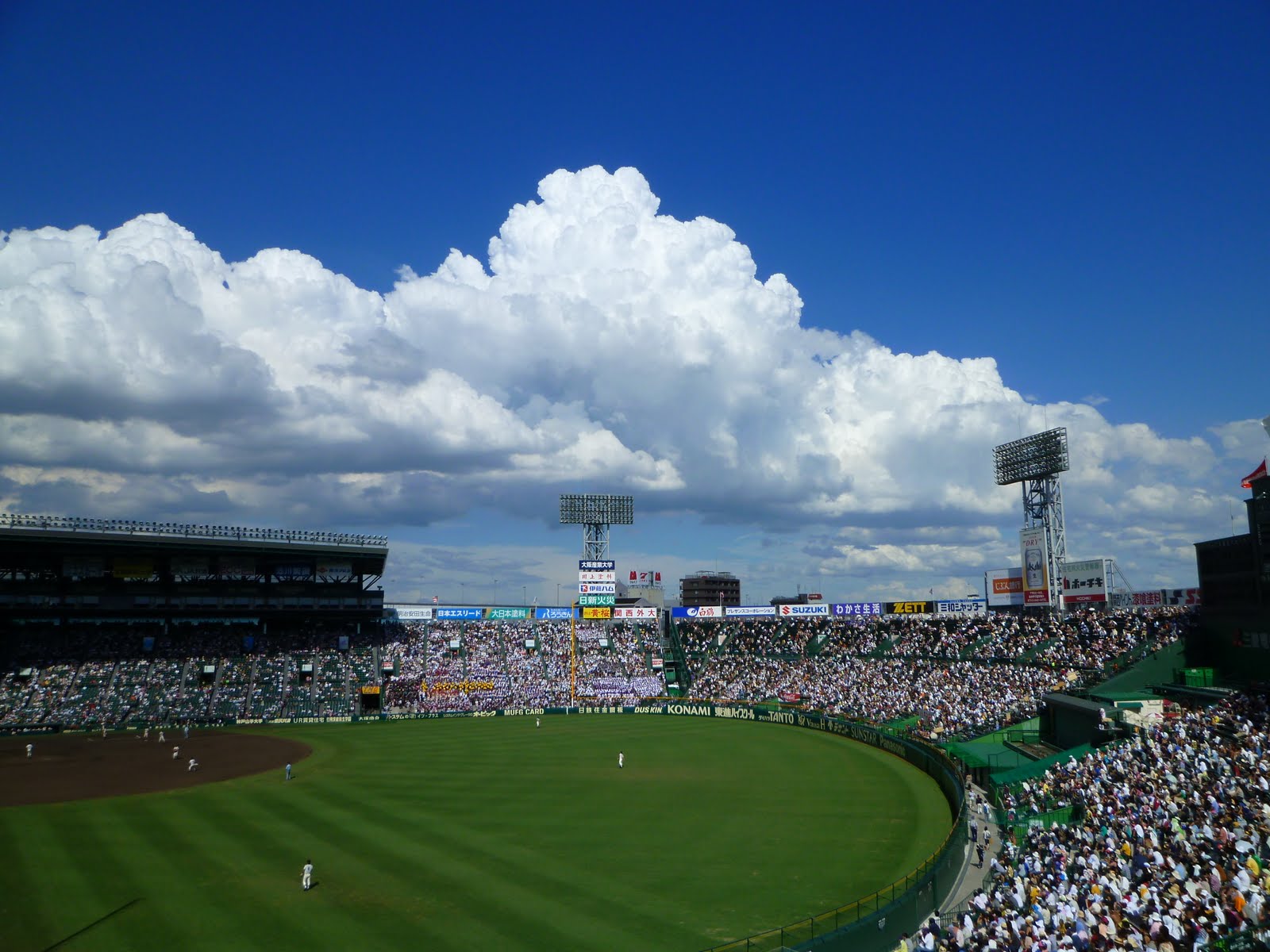
High-school baseball tournament in Koshien.
If you are in Kansai now, or within Sunday August 14th, why don’t you go to see a baseball game at Koshien. They are now holding the National high-school baseball tournament. This tournament is one of the most popular even in Japan. Games are on the air on two different national channels; great atmosphere; 40,000 people in the stadium everyday for 2 weeks…and some seats are free !

Square watermelon
If you like fruits, you might be surprised by the price of fruits in Japan. To grow a fruit in Japan is more or less an Art. How about this square watermelon, for 130 US Dollars!! I hope they guarantee the taste for this price.
Nice bicycle !
This bicycle is probably not easy to ride, but looks great. If you cannot afford a real Harley-Davidson this might be a good alternative...

Monday, 1 August 2011

Japanese Guest Houses phone guide


Most tourists want to call home at least one time while they are traveling in Japan but this is not always easy or cheap. Below are 5 options but we recommend either option numbers 4 or 5 as they are the least expensive.


Option 1,
Use your cell phone in Japan...

Most of the foreign phones do not work in Japan and the ones that do can be very expensive to you. If you have a smart phone like an iPhone or Android you may have better luck but due to data charges this can also be a very expensive option. In fact, we recommend you to keep your smart phone on “airplane mode” and only use it to connect to the Internet by WIFI. Japan is famous for new technologies but free WIFI spots are not as common as it can be in other countries. Please ask your hotel front desk where you can access free WIFI.

Note: Even your cell phone provider says your phone will work in Japan please read all the fine print and understand what the actual costs are.

Option 2,
Use your hotel phone…

Nowadays the in-room phones are mostly used for room service, wake up calls and emergencies. For an international phone call this option would work but this will be very expensive and I do not recommend it.

Option 3,
Renting a Cell Phone in Japan...

This is a very convenient alternative, you just pick up the rental phone at the airport when you arrive in Japan and drop it off on the way back home. However please be careful as the rental fee is usually very attractive but the calls can be very expensive and its not ideal for calling overseas. Many rent a phone companies charge over 100 yen per minute for outgoing domestic calls. Here is a list of rental cell phone companies:
http://www.rentafonejapan.com/
http://www.myjapanphone.com/
http://www.jcrcorp.com/
http://www.narita-airport.jp/en/guide/service/list/svc_19.html
(These are just listed for your convenience and not a recommendation of service, please research carefully.)

Option 4,
International Phone Cards...

This is one of the best and most reasonable solutions for calling home and is one of the two options that we recommend. You can use International Phone Cards with a very competitive rate to call overseas. Depending on the Phone Cards, they can be used from public phones or rental mobile phones. Phone cards are sold at convenience stores, kiosks, on the Internet and vending machines.
http://www.callingcards.com/index_japan.asp?origsel=Japan
http://www.nobelcom.com/
http://www.rebtel.com/
(These are just listed for your convenience and not a recommendation of service, please research carefully.)

Option 5,
Use Skype to call...

If you are at a WIFI spot you can use your computer, smart phone (iPhone, Blackberry, Android...), or iPad to make free calls to others while on Skype. You can also use Skype to make cheap calls to land lines around the world. At Japanese Guest Houses and Japan Roads we use Skype to contact each other between the US and Japan. It works great and if the person you are calling has Skype then it is all free. Once you are away from the WIFI area make sure that you put your smart phone or other device on airplane mode.
http://www.skype.com

Monday, 18 July 2011

Tourism in Japan 4 months after the quake,

Tourists are coming back to Japan, booking their holidays, planning their itineraries. Vincent Penez situated in Japan reports on the current state of the local tourism industry.As you know on March 11th Japan was hit by massive Tsunami causing terrible damages especially to the Fukushima nuclear plant. Four months later, the Japanese nation is gathering all its resources to rebuild the Tohoku area, fix the Fukushima nuclear plant and prove that Japan is safe to travel.
The tourists are more welcome than ever to help Japan. We already received many testimonials from tourists explaining how the Japanese people are thankful for tourists coming to Japan.
People have the image that Japan is a very small island nation, in fact Japan's 143,600 square miles make the island slightly smaller than California. From its northern most point in Hokkaido to its southern most point in Okinawa it is 1,400 miles or the distance from New York to Alabama.

The most popular tourist destinations are located far away from Fukushima. Tourists are coming back step by step and the Gion festival in Kyoto (ending on Sunday, July 17th) was really crowded as every year.
Hopefully, tourists will understand that while the damage to the Tohoku area is extreme, it is very far from most tourist destinations. Our company has two offices, one in the US and one in Japan. Our Office in Japan is located near Osaka and life for our staff is normal without any interruptions. Our President also brought his family to Japan for the summer just like every year.
I personally live in Osaka and I would like to say that I did not change anything in my daily life after the quake, tsunami or nuclear accident and I still practice the same hobby as before. I go to work, take the same packed train every day, go out with my friends… And since I like to ride bicycle I still do it, maybe even more than before though it is now very hot and humid in Japan, I sincerely feel safe in Osaka.
Below are some links that explain the current situation in Japan and show that Japan is safe:
  • Disaster Prevention and Nuclear Safety Network for Nuclear Environment http://www.bousai.ne.jp/eng/
    This site shows real time maps of current radiation levels in Japan. As you can see the radiation level in most of the country is normal.
  • International Atomic Energy Agency (IAEA) http://www.iaea.org/About/japan-infosheet.html
    To me this is the most important link as the IAEA has nothing to gain from you traveling to Japan. They are simply stating the facts.
  • Japan is already rebuilding and the areas hit by the tsunami are much cleaner than before and people are living their normal live again. To have a good idea of the situation in Tohoku please check the following link: http://photogallery.thestar.com/1006372
The most important information I would like to give is that tourists who canceled their travel to Japan after the quake are now coming back. Most of them are planning to visit Japan in autumn and some are already making reservations for spring 2012.
By Vincent Penez